Singer 2277 Instruction Manual: A Comprehensive Guide
This comprehensive guide details the Singer 2277 sewing machine, offering instruction manuals in English, Spanish, and French, available as a PDF download.
Explore free digital manuals, parts, and accessories, alongside safety instructions for proper machine use and maintenance, ensuring a seamless sewing experience.
The Singer 2277 Tradition sewing machine is a popular choice for both beginners and experienced sewers, known for its reliability and ease of use. This manual serves as a complete resource, providing detailed instructions to maximize your sewing experience. Whether you’re tackling simple repairs or ambitious projects, understanding your machine is key.
This model, often referred to as the Singer Tradition 2277, boasts a range of features designed for versatility. You’ll find comprehensive guides available in multiple languages – English, Spanish, and French – often accessible as convenient PDF downloads. These resources cover everything from initial setup and threading to advanced techniques like buttonhole sewing and zipper insertion.
Accessing the instruction manual is straightforward, with options including digital downloads from sites like Etsy and the Internet Archive. These manuals also emphasize crucial safety precautions, ensuring responsible operation and preventing potential hazards. Familiarizing yourself with these guidelines is paramount before beginning any sewing project.
Machine Overview and Features
The Singer 2277 Tradition is a mechanical sewing machine designed for everyday use. It features a robust internal metal frame, ensuring durability and consistent stitching. This model offers a selection of built-in stitches, including straight, zigzag, and decorative options, catering to a variety of sewing needs.
Key features include adjustable stitch length and width, allowing for customization based on fabric type and project requirements. The machine also incorporates a reverse stitch function for secure seam finishing. A free arm is included, facilitating easier sewing of cuffs, sleeves, and other cylindrical shapes.
Instruction manuals detail the use of optional presser feet, expanding the machine’s capabilities for specialized tasks. Understanding these features, as outlined in the downloadable PDF guides, is crucial for unlocking the full potential of the Singer 2277. Safety instructions are also prominently featured, emphasizing responsible operation.
Unboxing and Initial Setup
Upon receiving your Singer 2277, carefully inspect the box for any damage during shipping. Inside, you’ll find the sewing machine, power cord, foot pedal, accessory kit (including bobbins, needles, and presser feet), and the instruction manual – often available as a downloadable PDF.
Initial setup involves removing all packaging materials and placing the machine on a stable, flat surface. Connect the power cord and foot pedal. Before sewing, familiarize yourself with the machine’s components as detailed in the manual. Ensure the handwheel is turning freely.
The instruction manual guides you through the initial threading process and bobbin winding. Proper setup is crucial for optimal performance and longevity. Refer to the safety instructions before powering on the machine for the first time, ensuring a safe and enjoyable sewing experience.
Getting Started with Your Singer 2277
Begin your sewing journey by mastering essential steps: threading, bobbin winding, insertion, and stitch selection, all detailed in the user manual for optimal results.
Threading the Machine
Proper threading is crucial for successful sewing with your Singer 2277. Begin by ensuring the machine is turned off and the presser foot is raised. Place the spool of thread on the spool pin, securing it with a spool cap.
Next, guide the thread through the first thread guide, then down and around the tension disc – this is vital for consistent stitch quality. Continue threading through the take-up lever, ensuring it’s in its highest position.
Afterward, lead the thread down through the second thread guide and finally, thread it through the needle eye from front to back. Refer to your instruction manual’s diagrams for a clear visual guide. Always double-check that the thread is securely seated in all guides and the needle, preventing skipped stitches and ensuring smooth operation. A correctly threaded machine is the foundation for beautiful sewing projects!
Winding the Bobbin
Winding the bobbin correctly is essential for consistent stitching on your Singer 2277. First, place the spool of thread on the spool pin and secure it. Then, guide the thread from the spool, around the first tension disc, and then onto the bobbin.
Next, place the bobbin onto the bobbin winder spindle, ensuring it clicks into place. Push the bobbin winder to the right to engage it. Hold the thread tail firmly for the first few rotations to prevent slipping.
Press the foot pedal gently to start winding. The machine will automatically stop when the bobbin is full. Cut the thread and remove the bobbin. Always use the correct type of bobbin recommended for your Singer 2277 to avoid issues. A fully and evenly wound bobbin ensures smooth and reliable sewing.
Inserting the Bobbin
Proper bobbin insertion is crucial for the Singer 2277 to function correctly. Locate the bobbin case beneath the needle plate. Gently pull the bobbin case latch outwards to release it. Remove the empty bobbin case.
Insert the wound bobbin into the bobbin case, ensuring the thread unwinds in the correct direction – typically counter-clockwise. Guide the thread through the tension slot on the bobbin case.
Reinsert the bobbin case back into the machine, aligning it correctly and closing the latch securely. Gently pull on the thread to ensure it’s properly engaged with the take-up lever. Incorrect bobbin insertion can lead to tangled threads and poor stitch quality, so double-check this step before sewing.
Stitch Selection Guide
The Singer 2277 offers a variety of stitches for diverse sewing projects. Utilize the stitch selection dial, located on the front of the machine, to choose your desired stitch. Common stitches include the straight stitch, ideal for seams and topstitching, and the zigzag stitch, perfect for finishing raw edges and creating decorative effects.
Refer to the stitch chart printed on the machine itself for visual guidance. Each stitch is numbered and accompanied by a small illustration. Experiment with different stitch settings to achieve the desired look. Remember to adjust the stitch length and width accordingly for optimal results.
For specialized projects, explore the decorative stitches available. Always test your chosen stitch on a scrap fabric before beginning your actual project to ensure it meets your expectations.
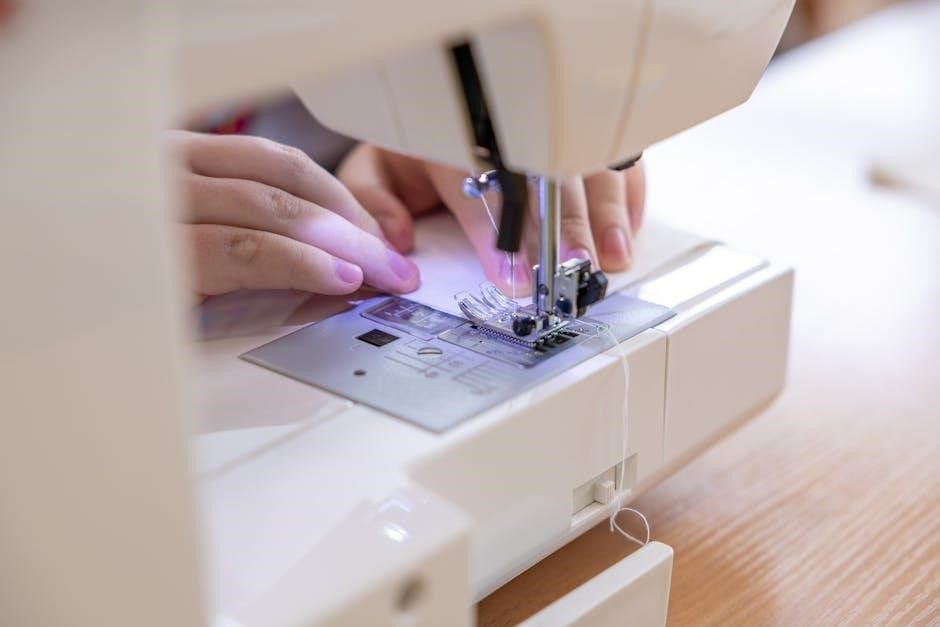
Basic Sewing Techniques
Master fundamental skills like straight and zigzag stitching, adjusting stitch parameters, and reverse stitching with your Singer 2277.
These techniques form the foundation for all sewing projects, ensuring quality and precision in every creation.
Straight Stitching
The straight stitch is the most fundamental stitch in sewing, and the Singer 2277 excels at producing a consistent, reliable straight line. Begin by threading the machine correctly and inserting a new needle appropriate for your fabric weight. Select the straight stitch option on your machine – typically indicated by a straight line symbol.
Adjust the stitch length according to your project needs; a shorter stitch length is ideal for delicate fabrics and intricate details, while a longer stitch length is suitable for heavier materials and quicker seams. Practice on a scrap fabric before starting your actual project to ensure proper tension and stitch formation.
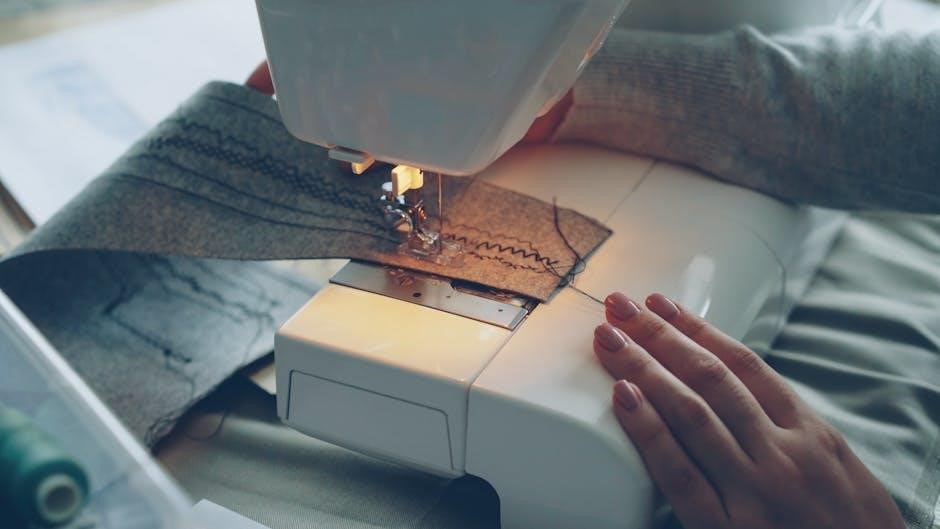
Guide the fabric gently under the presser foot, maintaining a consistent speed and direction. Avoid pulling or pushing the fabric, allowing the machine to feed it through smoothly. Use the edge of the presser foot as a guide for sewing straight lines, or utilize markings on the needle plate for precise seam allowances. Remember to backstitch at the beginning and end of each seam to secure the stitches and prevent unraveling.
Zigzag Stitching
The zigzag stitch on the Singer 2277 offers versatility beyond basic seams, ideal for finishing raw edges, creating decorative elements, and sewing stretch fabrics. Select the zigzag stitch setting – usually represented by a zigzag symbol – on your machine’s stitch selection dial.
Adjust both the stitch length and width to achieve your desired effect. A narrower width is suitable for reinforcing edges, while a wider width creates bolder decorative patterns. Experiment with different settings on scrap fabric to understand how they impact the stitch appearance.
Zigzag stitching is particularly useful when working with knits, as the stretchable nature of the stitch accommodates the fabric’s elasticity. When finishing edges, use a zigzag stitch to prevent fraying. For decorative applications, consider using specialty threads or varying stitch widths for unique designs. Always test your settings before applying to your final project.
Adjusting Stitch Length and Width
The Singer 2277 allows precise control over stitch length and width, crucial for adapting to different fabrics and achieving desired sewing results. Locate the length and width dials – typically positioned near the stitch selection dial.
Stitch length determines the distance between individual stitches. Shorter stitch lengths are ideal for delicate fabrics and intricate details, providing greater security. Longer stitch lengths are suitable for heavier fabrics and basting, offering speed and ease of removal.
Stitch width controls the lateral extent of the stitch, particularly relevant for zigzag and decorative stitches. Adjusting width alters the stitch’s appearance and its ability to stretch or reinforce fabric edges. Always test adjustments on scrap fabric before sewing your project. Experimentation is key to mastering these controls and achieving professional-looking results.
Reverse Stitching
Reverse stitching, often called backstitching, is a fundamental technique for securing seams at the beginning and end, preventing unraveling. On the Singer 2277, engage the reverse lever – usually located conveniently near the handwheel – to switch directions.
Begin sewing forward for a few stitches, then activate the reverse lever and stitch backwards over those same stitches. Repeat this process several times to firmly anchor the seam. Release the reverse lever to resume forward stitching.
Consistent and careful reverse stitching is vital for durable garment construction and projects. Avoid excessively long reverse stitches, as they can create bulk. Practice on scrap fabric to develop a smooth, secure backstitch technique. This simple step significantly enhances the longevity and quality of your finished work.
Advanced Features and Techniques
Unlock your Singer 2277’s potential with buttonhole sewing, zipper insertion, and presser foot adjustments, expanding your creative sewing capabilities significantly.
Buttonhole Sewing
Mastering buttonholes on your Singer 2277 requires understanding the machine’s dedicated buttonhole foot and settings. Begin by selecting the appropriate buttonhole stitch on your machine – typically a designated buttonhole setting. Ensure you’ve attached the buttonhole foot correctly; it differs from the standard presser foot and is crucial for proper stitch formation.
Next, measure the size of your button and adjust the buttonhole length setting on the machine accordingly. The Singer 2277 allows for customizing buttonhole size to perfectly fit various buttons. Practice on scrap fabric first to refine your technique and ensure consistent results.
Start sewing slowly, allowing the machine to automatically create the buttonhole outline. Avoid pulling or pushing the fabric; let the feed dogs do the work. Once the outline is complete, the machine will typically stop. Carefully remove the fabric and use a seam ripper to open the buttonhole, being cautious not to cut the stitches. Finally, sew on your button, aligning it with the newly created buttonhole for a professional finish.
Zipper Insertion
Inserting a zipper with your Singer 2277 involves utilizing the zipper foot, a specialized presser foot designed for sewing close to the zipper teeth. Begin by selecting a straight stitch and adjusting the stitch length appropriately – a slightly shorter stitch length is generally recommended for zipper applications.
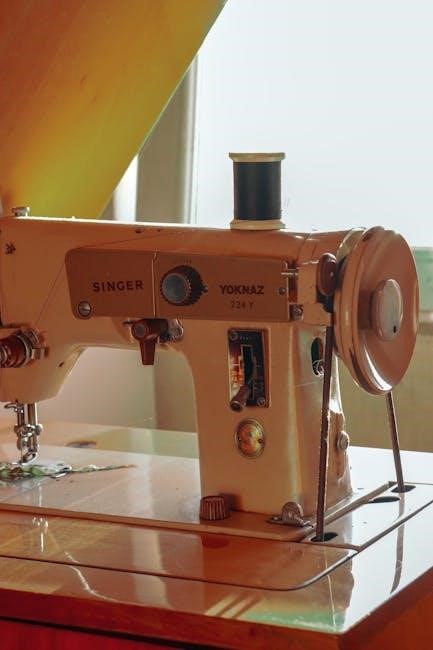
Position the zipper face down against the fabric, aligning the zipper teeth with the fabric edge. Attach the zipper foot to the machine, ensuring it’s correctly aligned to allow for close stitching. Slowly begin sewing along the zipper tape, keeping the zipper teeth evenly aligned with the edge of the fabric.
Repeat on the other side of the zipper, carefully maneuvering the fabric under the zipper foot. For a concealed zipper, consider using a concealed zipper foot, which allows for even closer stitching. Practice on scrap fabric to master the technique before working on your final project, ensuring a neat and professional zipper installation.
Adjusting Presser Foot Pressure
The Singer 2277 allows for presser foot pressure adjustment, a crucial feature for handling various fabric types effectively. Lighter fabrics require less pressure to prevent puckering or stretching, while heavier fabrics necessitate increased pressure for consistent feeding.
Locate the pressure adjustment dial, typically found on the back of the machine. Experiment with different settings using scrap fabric similar to your project material. Begin with a lower setting for delicate fabrics like silk or chiffon, gradually increasing the pressure until the fabric feeds smoothly without distortion.
For thicker materials like denim or canvas, increase the pressure to ensure the presser foot maintains firm contact, preventing skipped stitches or uneven seams. Proper pressure adjustment is key to achieving professional-looking results and avoiding frustration during your sewing endeavors.
Using Optional Presser Feet
The Singer 2277’s versatility expands significantly with the use of optional presser feet, enabling specialized sewing techniques. A zipper foot, for instance, facilitates close-to-zipper stitching, ensuring professional results. An overcasting foot prevents fabric fraying, creating a clean edge finish.
Buttonhole feet simplify buttonhole creation, guiding fabric for consistent and accurately sized openings. Quilting feet aid in even stitch distribution for quilting projects, while gathering feet create beautiful ruffles and gathers.
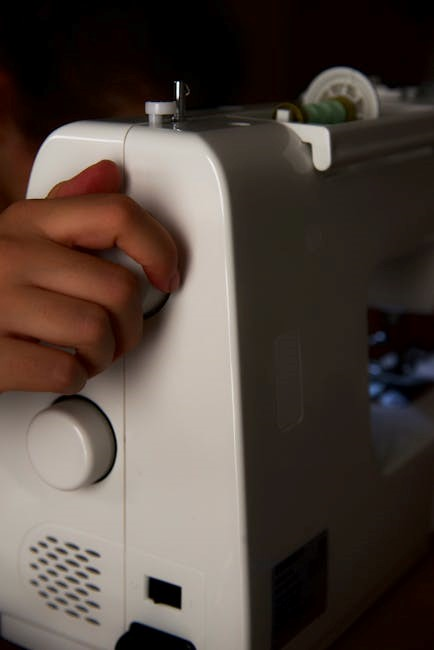
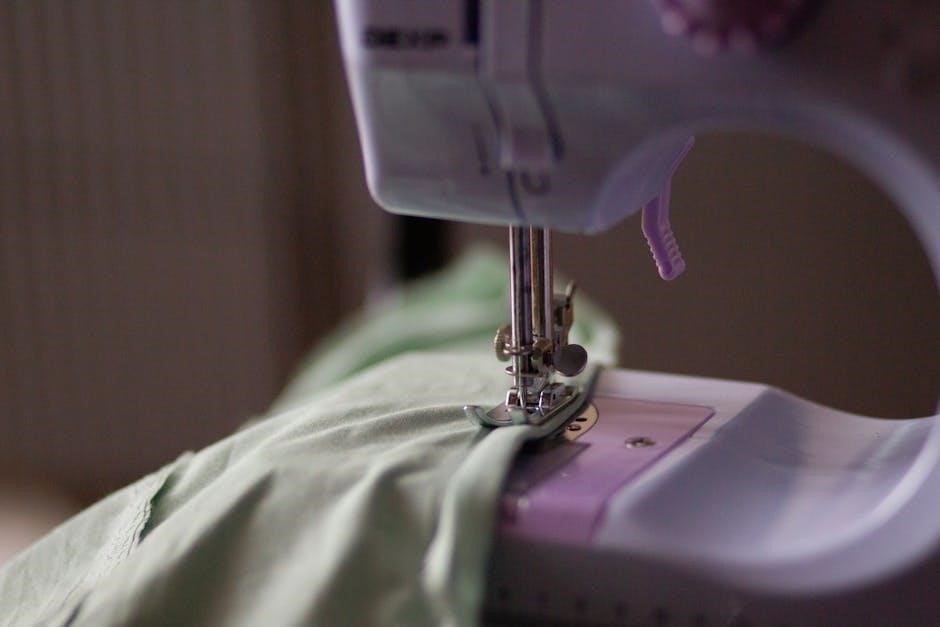
To change feet, release the presser foot lever and locate the release button on the foot holder. Gently remove the existing foot and snap the desired foot into place until it clicks securely. Refer to your manual for specific foot compatibility and usage instructions, unlocking the full potential of your Singer 2277.
Maintenance and Troubleshooting
Regular cleaning and oiling are crucial for optimal performance. This section details solutions for common issues, alongside vital safety precautions for your Singer 2277.
Cleaning the Machine
Maintaining a clean Singer 2277 is essential for smooth operation and longevity. Before any cleaning, always disconnect the machine from the power source to prevent accidental operation and potential injury. Begin by removing the needle, presser foot, and bobbin case. Use a soft brush – often included with the machine – to remove lint and dust from the bobbin area, feed dogs, and around the needle plate.
For more stubborn lint, a lint brush or a small vacuum cleaner attachment can be used. Avoid using compressed air, as it can blow dust into the machine’s internal components. Wipe down the exterior surfaces with a slightly damp cloth. Do not use harsh chemicals or abrasive cleaners, as these can damage the finish. Pay particular attention to areas where oil may accumulate. Regularly cleaning prevents fabric buildup and ensures accurate stitching, contributing to a more enjoyable sewing experience.
Oiling the Machine
Proper lubrication is crucial for the Singer 2277’s performance. Always use sewing machine oil – never oil substitutes – to ensure compatibility and prevent damage. Before oiling, disconnect the power. Locate the oiling points, typically indicated in your instruction manual; these usually include the bobbin race, shuttle hook, and any areas where metal parts move against each other.
Apply a small drop of oil to each point, avoiding over-oiling, which can attract lint. After oiling, operate the machine slowly by hand, turning the handwheel, to distribute the oil evenly. Wipe away any excess oil with a clean, soft cloth. Regular oiling – as recommended in the manual – reduces friction, prevents wear, and ensures quiet, efficient operation. Consistent maintenance extends the life of your Singer 2277.
Troubleshooting Common Problems
Encountering issues? The Singer 2277, like any machine, can present challenges. If the machine doesn’t start, ensure the power cord is securely connected and the foot pedal is functioning. Threading errors are frequent; re-thread both the upper and bobbin threads, following the manual’s diagrams precisely. Skipped stitches often indicate a dull or incorrect needle – replace it with the correct type and size.
Bobbin issues, like tangled thread, require removing the bobbin case and cleaning it thoroughly. If fabric puckers, adjust the presser foot pressure or stitch length. Always consult the instruction manual for specific error codes or detailed troubleshooting steps. Online support forums and communities can also offer valuable assistance and shared solutions for common Singer 2277 problems.
Safety Precautions
Prioritize safety when operating your Singer 2277. Always disconnect the machine from the power source before cleaning, changing the needle, or threading. Never pull fabric while sewing; let the machine feed it naturally to avoid injury. Keep fingers away from the needle area during operation – use the needle guard when not in use.

Electrical safety is crucial; avoid using the machine with a damaged cord or plug. Do not operate in damp environments. Supervise children closely when the machine is in use. Regularly inspect all parts for wear and tear. Refer to the instruction manual for detailed safety warnings and guidelines to ensure a safe and enjoyable sewing experience.
Resources and Support
Access downloadable PDF manuals, locate replacement parts easily, and connect with online forums and communities for Singer 2277 assistance and shared expertise.
Downloading the Instruction Manual (PDF)
Finding a digital copy of the Singer 2277 instruction manual is readily achievable through several online resources. Etsy offers a PDF download of the manual, available in English, Spanish, and French, encompassing 62 pages of detailed guidance. For those seeking free options, Pocono Sew-Vac provides access to digital manuals for the Singer Tradition 2277, streamlining the process of obtaining essential information.
Alternatively, the Internet Archive hosts a downloadable version of the Singer 2277 user manual, offering various file formats including PDF, JP2 ZIP, and TORRENT. eBay also lists the manual available on CD in PDF format. These platforms ensure convenient access to the documentation needed to operate and maintain your sewing machine effectively, regardless of your preferred language or file type.
Ensure a smooth sewing experience by having this vital resource at your fingertips!
Finding Replacement Parts
Maintaining your Singer 2277 often requires sourcing replacement parts, and several avenues exist for doing so. Pocono Sew-Vac is a valuable resource, offering a comprehensive selection of parts and accessories specifically for the Singer Tradition 2277. Their inventory includes essential components like needles, thread, bobbins, bobbin cases, holders, and a variety of presser feet.
When seeking specific parts, having the model number (2277) readily available is crucial for ensuring compatibility. Online retailers and sewing machine repair shops also stock replacement parts for this popular model. Regularly checking these sources will help you keep your machine in optimal working condition, extending its lifespan and ensuring consistent sewing performance. Don’t delay in replacing worn or damaged parts!
Proactive maintenance is key to longevity.
Online Support Forums and Communities
Beyond the official instruction manual, a wealth of support for your Singer 2277 exists within online communities. The Internet Archive hosts user-uploaded manuals and resources, fostering a collaborative environment for Singer sewing machine enthusiasts. These platforms provide a space to ask questions, share troubleshooting tips, and connect with fellow owners.
Engaging with these communities can be incredibly beneficial when facing challenges or seeking advice on advanced techniques. Experienced users often share their knowledge and insights, offering solutions to common problems and helping you maximize your machine’s potential. Explore forums dedicated to sewing machines and specifically search for discussions related to the Singer 2277 to tap into this collective expertise.
Remember to be respectful and contribute positively!