Printable instructions are readily available templates designed for creating clear, concise guides for various purposes, enhancing documentation and user experience․
These templates streamline communication, offering professional aesthetics for both digital and physical distribution, requiring no prior design expertise․
Today is 05/04/2026 05:04:08 ()
What are Printable Instructions?
Printable instructions encompass pre-designed document templates formatted for easy printing and distribution, offering a tangible way to convey information․ They range from simple checklists to detailed step-by-step guides, often incorporating visual elements like images and icons for enhanced clarity․
Essentially, they transform complex processes into easily digestible formats․ These aren’t limited to technical manuals; they include children’s guides – like brushing teeth or making sandwiches – and even board game rules․ A key feature is their adaptability; templates can be customized with specific details, ensuring relevance to the task at hand․ They are often created using tools like Microsoft Word, Google Docs, or specialized online platforms like Template․net and FreePrintable․net․
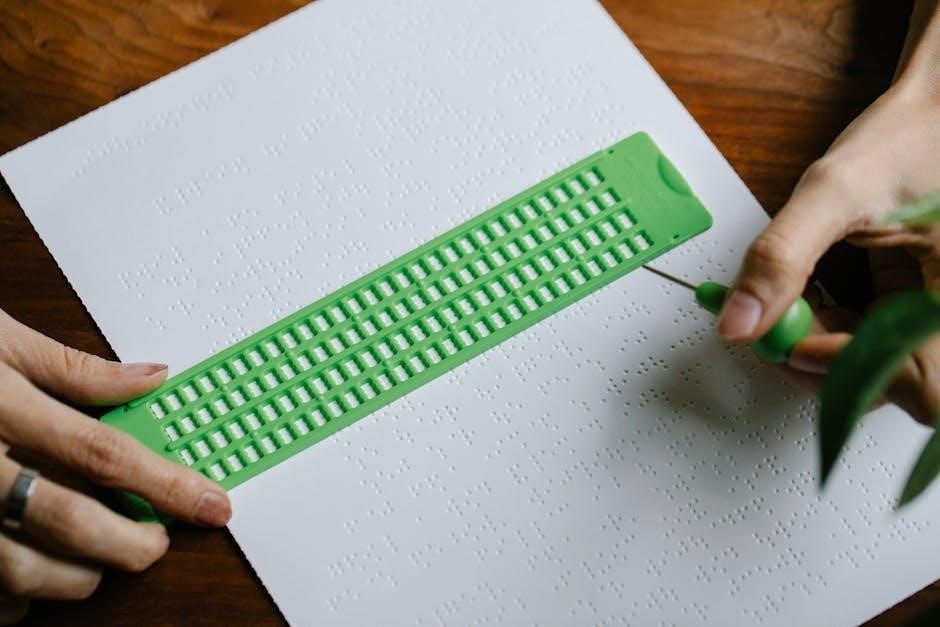
They serve as a practical alternative to solely digital instructions․
Why Use Printable Instructions?
Printable instructions offer several advantages over purely digital formats․ They provide a readily accessible, physical reference point, eliminating the need for devices or internet access․ This is particularly useful in environments where technology is limited or unreliable, or for individuals who prefer a tactile learning experience․
Furthermore, they enhance comprehension through clear formatting, visual aids, and a structured layout․ They’re ideal for product manuals, educational materials, and even recreational activities like board games․ Using templates saves time and design effort, delivering a professional aesthetic without requiring specialized skills․ They also facilitate easy sharing and archiving, making them a versatile solution for diverse instructional needs․
They are a cost-effective and efficient communication tool․

Types of Printable Instruction Templates
Various templates exist, including step-by-step guides, flowchart instructions for process visualization, and checklist templates for task completion, catering to diverse instructional needs․
Step-by-Step Guide Templates
Step-by-step guide templates are foundational for delivering clear, sequential instructions․ These templates typically feature numbered lists or clearly delineated sections, guiding users through a process methodically․ They are incredibly versatile, suitable for assembling products, completing recipes (like the printable mats linked to recipes mentioned), or learning new skills․
Effective step-by-step guides benefit greatly from incorporating visual aids alongside the text․ This enhances comprehension, particularly for visual learners or complex procedures․ These templates often include space for images or icons to illustrate each step, ensuring users can easily follow along․ They are ideal for creating product manuals, tutorials, and even educational materials for children, like instructions on how to brush their teeth or cross the road safely․
Flowchart Instruction Templates
Flowchart instruction templates present processes visually, utilizing shapes and arrows to illustrate decision points and sequential steps․ This format excels at depicting workflows and troubleshooting guides, offering a bird’s-eye view of a procedure․ They are particularly useful when instructions involve conditional logic – “if this, then that” scenarios – making complex processes easier to understand․
Unlike linear step-by-step guides, flowcharts highlight alternative paths and potential outcomes․ This is beneficial for tasks with multiple variables or potential issues․ These templates can be customized with different shapes to represent various actions or decisions, enhancing clarity․ They are applicable in diverse settings, from technical documentation to training materials, and can be easily created using dedicated template websites like FreePrintable․net․
Checklist Instruction Templates
Checklist instruction templates offer a simple, yet effective method for outlining tasks that need completion․ They are ideal for procedures requiring multiple steps, ensuring nothing is overlooked․ Each item on the checklist represents a specific action, often accompanied by a checkbox for marking progress․ This visual confirmation of completion is highly satisfying and promotes accountability․
These templates are particularly useful for safety procedures, pre-flight checks, or any process where adherence to all steps is critical․ They minimize errors and improve efficiency․ Printable checklists are easily distributed and can be customized to fit specific needs․ They are a staple in product manuals and educational materials, providing a clear and concise way to guide users through a process․

Key Elements of Effective Printable Instructions
Effective instructions prioritize clarity through concise language, impactful visual aids like images, and organized steps—numbered or bulleted—for easy comprehension․
Clear and Concise Language
Utilizing straightforward language is paramount when crafting printable instructions․ Avoid jargon, technical terms, or overly complex sentence structures that could confuse the reader․ Each sentence should convey a single, easily digestible idea․
Focus on using imperative verbs – words that directly instruct action – to guide the user through each step․ For example, instead of “The button should be pressed,” use “Press the button․” This direct approach enhances clarity and reduces ambiguity․
Remember your audience; tailor the language to their understanding․ Brevity is key; eliminate unnecessary words and phrases․ Succinctly conveying information ensures users can quickly and accurately follow the instructions, leading to successful completion of the task․
Visual Aids: Images and Icons
Integrating visual elements significantly boosts the effectiveness of printable instructions; High-quality images and relevant icons can clarify complex steps, especially for visual learners․ A picture truly is worth a thousand words, reducing reliance on lengthy text descriptions․
Icons can represent common actions or components, providing quick visual cues․ For instance, a magnifying glass icon might indicate a closer inspection is needed․ Ensure images are clear, well-lit, and directly relate to the step they accompany․
Template․net emphasizes integrating visuals with text for simplified instructions․ Strategically placed visuals break up text, making the guide more engaging and easier to follow, ultimately improving comprehension and reducing errors․
Numbered or Bulleted Steps

Organizing instructions with numbered or bulleted steps is crucial for clarity and ease of use․ Numbered lists are ideal for sequential tasks where order matters, guiding the user through a specific process․ Bulleted lists work well for items where the order is less critical, such as a list of required materials․
Templates often include pre-formatted sections for step-by-step instructions, streamlining the creation process․ Consistent formatting – using the same style throughout – enhances readability․
Clear delineation of each step prevents confusion and minimizes errors․ Concise phrasing within each step, combined with visual aids, creates a user-friendly experience, ensuring successful completion of the task․

Creating Printable Instructions: Tools & Software
Various tools, like Microsoft Word, Google Docs, and dedicated websites such as FreePrintable․net and Template․net, simplify creating professional printable instructions efficiently․
Microsoft Word & Google Docs
Microsoft Word and Google Docs offer robust capabilities for crafting printable instructions, leveraging familiar interfaces and readily available features․ Users can easily format text, incorporate numbered or bulleted lists, and insert images to enhance clarity․
Both platforms support various page size and orientation settings, crucial for print preparation․ Templates are also accessible within these programs, providing a starting point for different instruction types․ Furthermore, the ability to customize fonts, colors, and layouts allows for brand consistency and improved readability;
Google Docs’ collaborative features are particularly useful for team-based documentation projects, enabling real-time editing and feedback․ These tools are accessible and cost-effective solutions for generating professional-looking printable instructions․
Dedicated Template Websites (FreePrintable․net)
FreePrintable․net stands out as a valuable resource for pre-designed, customizable instruction templates․ Offering a diverse selection of printable files, the website caters to various needs, from simple checklists to more complex step-by-step guides․
Users can readily download and print templates directly, streamlining the instruction creation process․ The site boasts beautiful designs suitable for both personal and professional use, compatible with inkjet or laser printers․
With over 103 sites available, FreePrintable․net provides a convenient and accessible solution for those seeking ready-made templates, eliminating the need for extensive design work․ It’s a fantastic option for quickly generating polished, printable instructions․
AI-Powered Editors (Template․net)
Template․net leverages the power of Artificial Intelligence to simplify the creation of professional-grade printable instructions․ Their AI Editor Tool allows for full customization and editing of instruction guide templates, seamlessly integrating visuals and text․
This platform is particularly useful for crafting training manuals, tutorials, and detailed step-by-step guides․ The AI assistance ensures a professional and engaging format, enhancing understanding and clarity for the end-user․
Template․net’s tools empower users to create visually appealing and effective instructions without requiring prior design experience․ The platform focuses on simplifying complex information, making it easily digestible through a combination of imagery and concise text․

Specific Applications of Printable Instructions
Printable instructions find diverse uses, from detailed product manuals and educational materials for children to clear, concise guides for enjoying board games effectively․
Product Manuals & Guides
Printable instruction templates are invaluable for crafting comprehensive product manuals and user guides․ They facilitate the clear communication of features, functionalities, and safety precautions, ensuring customers can effectively utilize products․
These templates often incorporate table formats, step-by-step sections, and illustrative iconography to enhance readability and understanding․ A well-structured manual minimizes customer support inquiries and boosts product satisfaction․
Whether detailing assembly processes, troubleshooting steps, or operational procedures, printable guides offer a professional and accessible resource․ They are easily customizable to reflect specific branding and product details, providing a polished and informative experience for end-users․ Templates simplify complex workflows, making information digestible․
Educational Materials (Children’s Instructions)
Printable instruction templates are exceptionally useful in creating engaging and easy-to-follow educational materials for children․ They’re perfect for tasks like learning to brush teeth, safely crossing the road, or making simple recipes – fostering independence and practical life skills․
Templates often feature imperative verbs presented on colorful word cards, aiding language development and comprehension․ A4 templates inspire creative writing exercises, like crafting “how-to” guides․
These resources simplify complex tasks into manageable steps, utilizing visuals and concise language tailored for young learners․ Printable mats with linked recipes provide hands-on learning experiences, while writing frames encourage structured instruction writing, building literacy skills․
Board Game Instructions
Printable instruction templates are invaluable for crafting clear and concise rulebooks for board games, enhancing the player experience․ Several downloadable templates cater specifically to board game needs, offering formats like accordion, booklet, and folded sheet layouts․

These templates streamline the process of presenting complex game rules in an organized and accessible manner, reducing confusion and promoting fair play․ They allow game designers and enthusiasts to create professional-looking instructions without requiring extensive design skills․
Customization options ensure the instructions align with the game’s theme and aesthetic, while the printable format allows for easy reproduction and distribution to players․

Designing for Print: Best Practices
Optimal design involves careful font choice and size, appropriate paper size and orientation, and thoughtful color considerations for readability․
Font Choice and Size
Selecting the right font is crucial for printable instructions; prioritize clarity and readability above stylistic flourishes․ Sans-serif fonts like Arial or Helvetica generally perform better for on-screen and printed instructions due to their clean lines․
Font size directly impacts comprehension․ A minimum of 10-12 points is recommended for the body text, ensuring comfortable reading for a broad audience․ Headings should be larger, creating a clear visual hierarchy․
Avoid overly decorative or script fonts, as they can be difficult to decipher, especially for individuals with visual impairments․ Consistency is key – stick to a limited number of font families throughout the document․ Consider the target audience; larger fonts may be necessary for children or elderly users․
Test print samples to verify legibility before finalizing the design․
Paper Size and Orientation

Standard paper sizes, like US Letter (8․5 x 11 inches) or A4 (210 x 297 mm), are generally best for printable instructions, ensuring compatibility with most printers․ However, consider the complexity of the instructions when choosing․
Orientation – portrait or landscape – depends on the content․ Portrait is suitable for step-by-step guides with vertical layouts, while landscape works well for wider diagrams or flowchart-style instructions․
For multi-page documents, think about binding․ Portrait orientation lends itself better to booklet-style binding․ Always leave adequate margins to prevent content from being cut off during printing․
Test printing on your intended paper stock to confirm layout and readability․ FreePrintable․net offers templates optimized for various paper sizes․
Color Considerations
Color choice significantly impacts readability and visual appeal․ Use a limited color palette – two or three primary colors – to avoid overwhelming the user․ High contrast between text and background is crucial; black text on a white background is a classic, reliable choice․
Consider your audience․ Bright, bold colors can be engaging for children’s instructions, while more subdued tones are appropriate for professional manuals․
If printing in grayscale, ensure the colors translate well to shades of gray․ Avoid relying solely on color to convey information; use labels and icons as well․ Template․net’s AI Editor allows easy color adjustments․
Remember that printing costs are higher with full color, so weigh the benefits against the expense․