Singer old sewing machine manuals offer a window into early industrial craftsmanship‚ detailing stitch types‚ tension settings‚ and maintenance. Digitized archives preserve these guides‚ enabling hobbyists and restorers to access authentic instructions for models like the 298 Supreme and 15‑96.!!
Historical Context of Singer Sewing Machines
Since the mid‑19th century‚ Singer’s innovations have shaped domestic textile production. The 1851 patent for a chain‑drive system allowed continuous operation‚ a breakthrough that set the industry standard. By the 1870s‚ Singer introduced the first fully automatic sewing machine‚ expanding the market beyond skilled artisans to home users. The 1890s saw the rise of the “Singer 15” line‚ which combined affordability with reliability‚ making sewing accessible to a broader demographic.
During World I‚ Singer machines were adapted for military use‚ producing uniforms and parachutes‚ demonstrating the brand’s versatility. Post‑war‚ the 1930s brought the iconic 298 Supreme‚ a high‑end model that featured a self‑locking shuttle and a robust hand‑crank mechanism‚ reflecting the era’s emphasis on durability and precision. The 1950s and 1960s marked a transition to electric models‚ yet many enthusiasts still favor the tactile feedback of the older treadle and hand‑turn machines.
Throughout the 20th century‚ Singer manuals evolved from simple diagrams to detailed maintenance guides‚ mirroring advances in materials science and mechanical engineering. In the 1970s‚ Singer faced stiff competition from Japanese manufacturers‚ leading to a decline in domestic production. However‚ the brand survived by focusing on niche markets and high‑quality repair services. The 1990s saw a revival of interest in vintage sewing‚ with collectors seeking original manuals for restoration projects.
Today‚ Singer’s legacy continues through modern digital reproductions‚ yet the tactile experience of the original machines remains prized among enthusiasts. By studying these manuals‚ historians and hobbyists alike gain a deeper appreciation for the intersection of technology‚ design‚ and social change that defined the Singer legacy.
Digitization and Online Archive Availability
into PDFs‚ preserving diagrams and notes today!?? The Internet Archive hosts a “Singers” collection‚ where users can download the 298 Supreme manual (59 MB) and the 15‑96/15‑98 hand‑turn guide. These scans‚ sourced from Smithsonian Libraries‚ retain original page numbering‚ allowing restorers to verify authenticity. Additionally‚ the Library of Congress offers a microfilm series that has been converted to resolution images‚ ensuring that even the faintest stitching instructions remain legible. For collectors seeking hard copies‚ platforms like Etsy and eBay provide printed reproductions‚ often annotated by experienced hobbyists. The digitized archives also support cross‑referencing with iFixit repair videos‚ which frequently cite specific manual pages when demonstrating tension adjustments or shuttle replacement. By centralizing these resources‚ the sewing community benefits from a unified reference point‚ reducing the risk of misinterpretation during restoration. Moreover‚ the open‑access nature of these archives encourages academic research into textile technology‚ providing scholars with primary source material that was previously limited to physical libraries. The ongoing collaboration between museums‚ libraries‚ and online communities ensures that Singer’s legacy remains both preserved and actively utilized by future generations of seamstresses and engineers alike. These resources empower hobbyists to restore vintage machines with confidence skill.
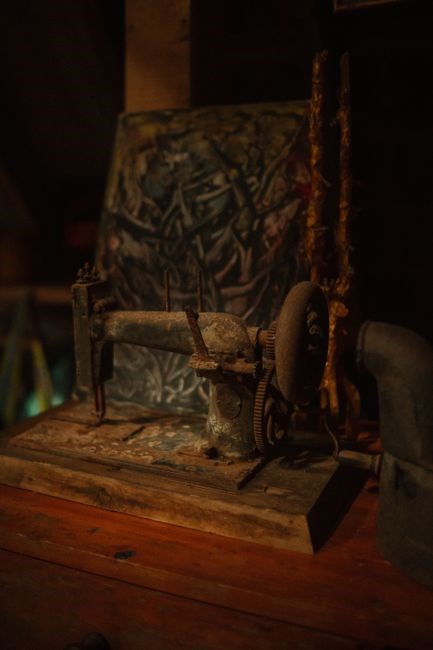
Popular Singer Models with Accessible Manuals
The 298 Supreme‚ 15‑96 treadle‚ and 15‑98 hand‑turn models dominate collectors’ lists. Manuals cover threading‚ tension‚ and maintenance. Digital PDFs on Internet Archive and printed copies on Etsy/Ebay make restoration straightforward. Collectors rely on these manuals for accurate repairs and historical insight
Model 298 Supreme – Manual Features and Coverage
The Singer 298 Supreme manual‚ available as a 59‑MB PDF on the Internet Archive‚ is a comprehensive guide that covers every aspect of operating and maintaining this iconic model. It begins with a detailed overview of the machine’s mechanical layout‚ including the treadle‚ foot‑board‚ and stitch‑selection lever‚ accompanied by clear diagrams that help users locate each component. The threading section walks through the entire process from bobbin winding to front‑thread insertion‚ with step‑by‑step photos and notes on common pitfalls. Tension settings are explained in depth‚ offering a range of adjustments for cotton‚ wool‚ denim‚ and heavier fabrics‚ and the manual includes a handy tension chart that correlates stitch quality with thread tension. Maintenance instructions cover daily cleaning‚ oiling points‚ and the proper use of the machine’s built‑in thread‑guide. Troubleshooting tips address issues such as skipped stitches‚ uneven hems‚ and thread breakage‚ providing diagnostic tables and suggested fixes. The manual also features a section on advanced stitch patterns‚ including zig‑zag‚ buttonhole‚ and decorative stitches‚ with diagrams and recommended stitch lengths. Finally‚ the guide concludes with a glossary of sewing terms and a list of recommended parts and accessories‚ ensuring that owners can keep their 298 Supreme running reliably for decades.
The PDF‚ over 60 MB‚ is richly illustrated and includes a troubleshooting index‚ a parts list‚ and a maintenance schedule. Collectors and hobbyists use it to restore the 298 Supreme to factory‑like performance‚ preserving a piece of sewing history for enthusiasts worldwide and
Models 15-96 & 15-98 – Manual Design and Usage Notes
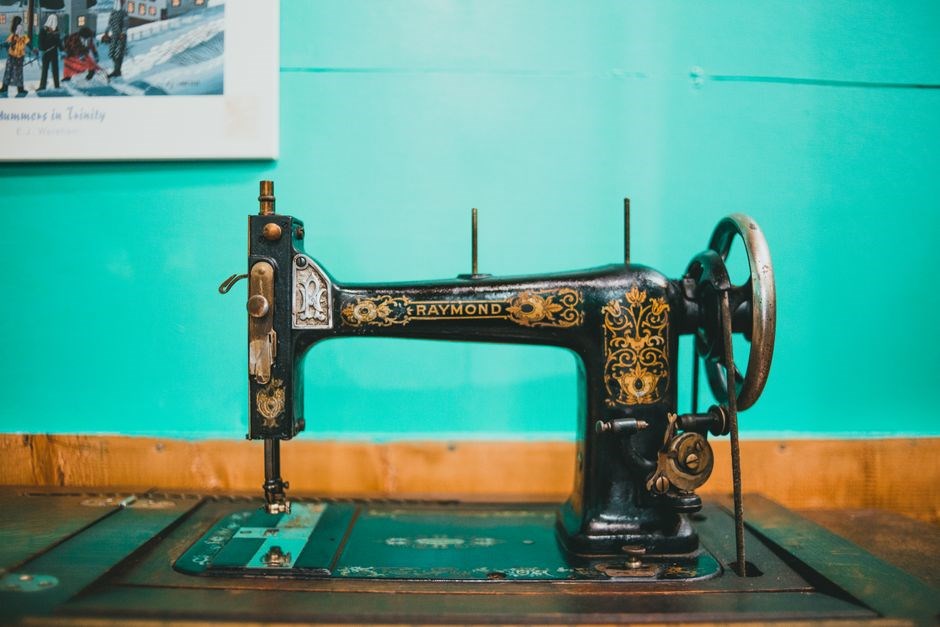
The Singer 15‑96 (treadle) and 15‑98 (hand‑turn) manuals‚ digitized from Smithsonian Library scans‚ provide a unified layout that emphasizes navigation. Both PDFs feature a front‑matter index‚ a concise machine overview‚ and a side‑by‑side comparison of the treadle and hand‑turn mechanisms. The design prioritizes clarity: each section is headed with bold titles‚ and numbered steps are paired with high‑resolution line drawings that illustrate threading‚ bobbin winding‚ and stitch‑selection. Usage notes highlight key differences: the 15‑96 requires a foot‑board for balanced tension‚ while the 15‑98’s hand‑turn lever offers finer control for delicate fabrics. The manuals include a detailed tension‑chart‚ a troubleshooting table that lists common issues such as skipped stitches or uneven hems‚ and a maintenance schedule that recommends oiling points and cleaning intervals. Additionally‚ each guide offers a checklist for first‑time users‚ ensuring that novices can assemble and operate the machine with confidence. Collectors value the PDFs for their faithful reproduction of original typography and layout‚ preserving the historical aesthetic while providing accessibility.
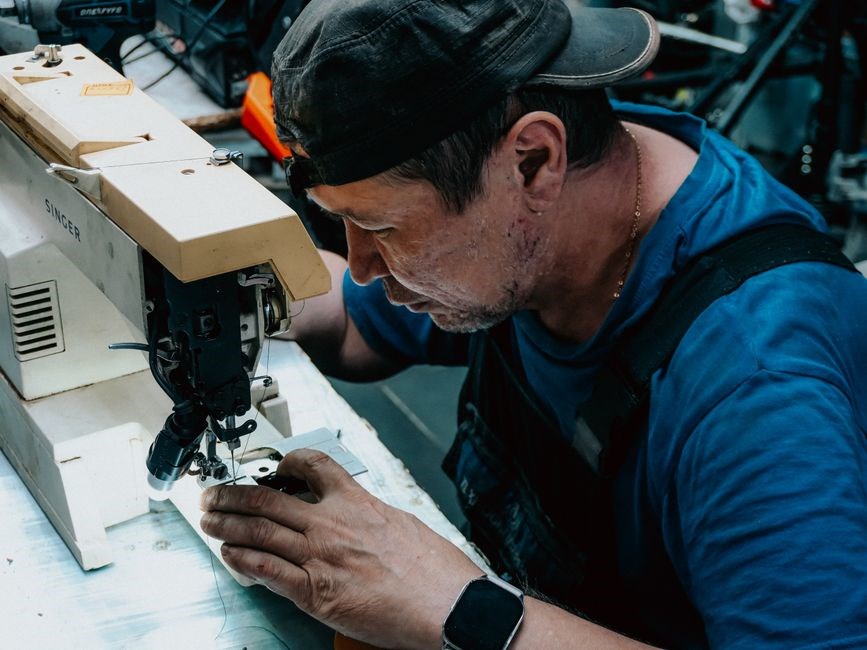
Both manuals also feature a dedicated section on thread selection‚ explaining how to choose the right thread weight for different fabrics. The 15‑96’s treadle action is described with a step‑by‑step guide to achieving smooth foot‑board motion‚ while the 15‑98’s hand‑turn lever is illustrated with torque diagrams. A maintenance log template is included‚ allowing owners to record oiling dates‚ part replacements‚ performance notes. The PDFs are formatted in a way that preserves the original typeface‚ giving readers a sense of the era’s design sensibilities while remaining easy to read on screens soon.

Content Themes Covered in Manuals
Manuals explain stitch types‚ tension settings‚ threading steps‚ maintenance routines‚ and material compatibility. They guide users through foot‑board use‚ bobbin winding‚ and troubleshooting common issues for reliable operation. Recommend oiling points.!!
Stitch Types‚ Performance‚ and Material Compatibility
These manuals also advise on thread choice‚ recommending cotton and polyester. They detail how each stitch’s geometry influences seam strength‚ flexibility‚ and aesthetic appeal. Performance data is provided for common fabrics—cotton‚ wool‚ denim‚ and canvas—highlighting optimal needle selection‚ feed speed‚ and tension settings. The guides also cover material compatibility‚ noting that heavier fabrics require larger needles and higher tension‚ while delicate silks benefit from lower tension and fine needles. Users learn how to adjust feed dogs and presser foot pressure to accommodate different thread weights and fabric thicknesses. The manuals emphasize the importance of correct bobbin winding and thread tension for achieving even stitch depth and preventing skipped stitches. By following these step‑by‑step instructions‚ technicians can troubleshoot issues such as uneven stitch length‚ thread breakage‚ or fabric puckering‚ ensuring reliable operation across a wide range of textile applications.
The manuals also serve as a historical record‚ documenting the evolution of stitch technology from simple straight stitches to complex decorative patterns. Users learn how to clean the feed dogs‚ replace worn needles‚ and adjust the tension dial to accommodate new thread types. The guides highlight the importance of oiling the moving parts‚ especially the needle bar and feed mechanism‚ to prevent rust and ensure smooth operation. They provide step‑by‑step diagrams for disassembling the machine for deeper cleaning‚ and include safety warnings about handling the foot‑board and needle bar. By following these detailed instructions‚ owners can extend the life of their vintage Singer machines‚ restoring them to their original performance levels and preserving a piece of textile heritage.
Shows how to remove the needle bar‚ clean the feed mechanism‚ reinstall the components. Owners often consult the manuals for guidance on replacing worn belts‚ cleaning the bobbin case‚ and adjusting the feed dog teeth. The step‑by‑step guide shows how to remove the needle bar‚ clean the feed mechanism‚ and reinstall the components. By following these procedures‚ technicians can restore the machine’s original stitch quality and longevity.
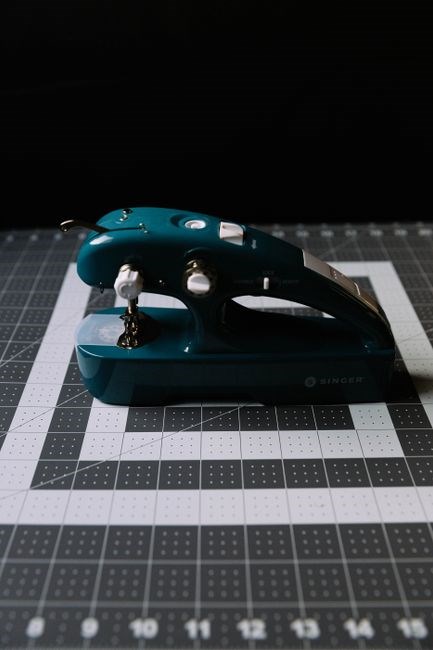
Tension Settings‚ Threading‚ and Maintenance Instructions
Manuals detail the tension dial’s range‚ explaining that a low setting (1–3) suits lightweight fabrics‚ while a high setting (7–9) is required for heavy denim or canvas. The guide illustrates the step‑by‑step threading sequence: start with the upper thread‚ secure the bobbin‚ lift the needle‚ and thread the lower thread through the eye. It emphasizes the importance of aligning the thread path to avoid snags.
Maintenance instructions cover daily cleaning: wipe the feed dogs with a soft cloth‚ oil the needle bar and feed mechanism with sewing‑machine oil‚ and inspect the tension spring for wear. The manual advises replacing the tension spring after 200 hours of use or if the stitch becomes uneven. It also recommends cleaning the bobbin case with a cotton swab to remove lint that can cause thread breakage.
For advanced users‚ the manual provides troubleshooting tips: if stitches are too tight‚ reduce the tension by turning the dial counter‑clockwise; if stitches are loose‚ increase tension. It also explains how to adjust the presser foot pressure to accommodate thicker fabrics‚ ensuring a consistent stitch depth. Regularly checking the needle’s sharpness and replacing it every 50–75 hours prevents skipped stitches and thread damage.
The manual recommends storing the machine in a dry‚ dust‑free area to prevent moisture buildup. Inspect the tension spring and needle bar reduce failure risk!!!
Online Platforms for Manual Acquisition
Internet Archive hosts downloadable PDFs of Singer manuals‚ such as the 298 Supreme and 15‑96/98. Etsy offers vintage print copies with threading and maintenance details. eBay lists both new and used hard‑copy manuals‚ often with free shipping. These sources keep classic guides accessible now!!
Internet Archive PDF Downloads of Singer Manuals
Internet Archive hosts digitized PDFs of Singer sewing machine manuals‚ ranging from early hand‑turn models to mid‑century industrial staples. Each manual is scanned from libraries or private collections‚ processed for legibility‚ and presented in its original layout. The result is a faithful reproduction that can be viewed online or downloaded for offline reference. The Archive’s metadata includes publication dates‚ page counts‚ and sometimes the original publisher’s imprint‚ allowing users to verify authenticity. PDFs are typically large‚ reflecting the full breadth of the manuals‚ but remain freely accessible under the Archive’s public‑domain policy. Users can search by model number—such as 298 Supreme‚ 15‑96‚ or 15‑98—and the Archive’s search interface returns the exact manual‚ complete with thumbnails and page navigation. This makes locating specific stitch diagrams or tension settings straightforward. The manuals also trace the evolution of stitch patterns‚ from basic straight and zig‑zag to more decorative options as technology advanced.
Downloading is simple: click the “Download” button in the PDF viewer‚ choose “PDF‚” and the file begins to transfer. For those who want the entire manual in one file‚ the “Download all pages” option bundles the PDF into a ZIP archive. The Archive also offers a “Download as text” feature that extracts OCR text‚ enabling keyword searches across the document. If you prefer a tactile experience‚ the Archive offers a print‑on‑demand service that produces high‑quality copies of the scanned pages‚ though this incurs a small fee. The PDFs are often large‚ reflecting the full breadth of the manuals‚ but remain freely accessible under the Archive’s public‑domain policy‚ ensuring no cost barrier for researchers or hobbyists.
The Archive’s interface is user‑friendly‚ with a search bar‚ language and collection filters‚ and a sidebar listing all available files. Users can bookmark favorites and share links to specific pages. Community forums linked to the Archive allow discussion of restoration techniques and share insights about particular models. The search function supports Boolean operators‚ allowing advanced queries such as “Singer 298 Supreme AND tension‚” and results can be exported to CSV for research purposes.
By preserving these manuals digitally‚ the Archive safeguards them against physical degradation‚ ensuring that the knowledge they contain remains accessible for future generations of seamstresses‚ historians‚ and engineers. The collaborative model ensures that the collection remains accurate‚ with contributors correcting OCR errors and adding missing pages‚ thereby preserving the integrity of the historical record. All free‚ all now
Etsy and eBay Listings for Vintage Manual Prints and Hard Copies
Both Etsy and eBay listings often include seller ratings and buyer reviews‚ which help verify authenticity and condition. Some sellers offer custom bindings or high‑resolution photocopies of specific sections. The active market ensures collectors can find manuals that suit restoration projects or historical research‚ with new listings appearing regularly across models and eras. Collectors share restoration tips in the comments‚ and some sellers provide a history manual production!
Community and Repair Resources
Forums and video libraries provide step‑by‑step guides‚ user forums share troubleshooting tips‚ and repair blogs detail part replacement. Members often upload scanned manuals‚ share restoration anecdotes‚ and coordinate group projects‚ fostering a collaborative environment for preserving Singer heritage.
iFixit Repair Guide Video Library
iFixit hosts a curated collection of over three hundred instructional videos that walk users through the disassembly‚ diagnosis‚ and repair of vintage Singer sewing machines. Each clip focuses on a specific component—such as the feed dog‚ tension regulator‚ or foot pedal—highlighting common failure modes‚ replacement parts‚ and safety precautions. The library’s search function allows hobbyists to filter by model number‚ year of manufacture‚ or even the type of stitch they wish to restore‚ ensuring that even the most obscure 19th‑century machines can be brought back to life. In addition to step‑by‑step visual guides‚ many videos feature side‑by‑side comparisons of worn parts against their new counterparts‚ providing a visual benchmark for assessing wear. Users can also leave comments‚ ask follow‑up questions‚ and share their own restoration successes‚ creating a collaborative knowledge base that evolves with each new upload. The platform’s integration with a parts marketplace means that viewers can purchase the exact replacement components shown in the videos‚ streamlining the repair process from diagnosis to completion. For collectors and enthusiasts‚ the iFixit library offers a practical‚ hands‑on supplement to the printed manuals‚ bridging the gap between historical documentation and modern repair techniques. PDFs for each model are available now. By leveraging these resources‚ anyone can confidently revive a Singer machine‚ preserving its legacy for future generations.
Singer Enthusiast Forums and Collector Communities
Dedicated online forums and social media groups have become the heartbeat of the Singer restoration scene. Members routinely share scanned pages from original manuals‚ annotate obscure diagrams‚ and debate the merits of period‑accurate versus modernized parts. The most active communities—such as the “Singer 300” subreddit‚ the “Vintage Sewing Machine Forum‚” and the “Singer 15‑k Club” on Facebook—host weekly threads where users post before‑and‑after photos of repaired machines‚ link to newly digitized PDF manuals‚ and offer troubleshooting advice based on the original instruction sheets. A common practice is to upload high‑resolution images of manual pages that cover tension settings‚ thread path‚ and foot‑pedal operation‚ allowing newcomers to cross‑reference their own machine’s markings with the printed text. These groups also coordinate group buys for hard‑copy manuals that are no longer in print‚ ensuring that collectors can obtain the exact edition used by the manufacturer at the time of production. In addition to manual discussion‚ many forums feature “repair‑of‑the‑week” showcases where a member demonstrates how to replace a worn feed dog or re‑thread a 15‑k model using the step‑by‑step instructions found in the original manual. Community members often provide annotated PDFs that highlight critical sections—such as the tension adjustment lever or the foot‑pedal release—making it easier for novices to locate the relevant information. The collaborative nature of these forums means that even rare models‚ like the 298 Supreme‚ receive attention; users share scanned manuals from the Internet Archive‚ discuss the nuances of the “Supreme” stitch‚ and compare performance data from the original manual’s specifications. By tapping into these collective resources‚ collectors can preserve the integrity of their machines while staying true to the manufacturer’s original design intent.
Moreover‚ many forums host monthly challenges where participants must restore a machine to a specific stitch quality described in the manual’s performance benchmarks. Participants submit video clips and stitch samples‚ which are then critiqued by seasoned restorers. This interactive approach not only reinforces the practical application of manual instructions but also encourages meticulous documentation of restoration steps‚ mirroring the detailed guidance originally provided by Singer. For those seeking deeper technical insight‚ several communities maintain a shared repository of PDF manuals‚ complete with searchable indices‚ allowing users to quickly locate sections on thread tension‚ needle positioning‚ or foot‑pedal calibration. The synergy between printed manuals and digital community knowledge creates a robust ecosystem that supports both preservation and innovation within the Singer enthusiast world.