Night, a Holocaust memoir by Elie Wiesel, offers a raw, survivor’s account. This study guide condenses key moments, themes, and questions to aid readers in understanding its historical and emotional depth. It guides discussion on faith, survival, and moral choice

Author and Publication
Elie Wiesel, born in 1928 in Sighet, Transylvania, survived Auschwitz and Buchenwald, later becoming a Nobel laureate and a global advocate for human rights. His memoir, Night, first published in French by Éditions du Seuil in 1958 as L’Enfant noir, was translated into English in 1960 and has since become a staple in Holocaust education worldwide. Night’s concise, powerful prose has earned it critical acclaim and has led to numerous adaptations, including a 1967 film and a 2005 stage production. The work remains a key text in discussions of memory, morality, and the responsibilities of survivors to bear witness. Night was first published in French by Éditions du Seuil in 1958, and the English version appeared in 1960 through the New American Library. Subsequent editions have included scholarly annotations, critical essays, and a companion guide for educators. The book has been translated into over 30 languages and underscoring its global impact. It remains a required reading in schools and universities,serving as a powerful testament to the horrors of the Holocaust and. Its concise narrative compels readers to confront the atrocities and the questions that arise!

Night follows the harrowing journey of a thirteen‑year‑old boy, Eliezer, as he and his family are deported from their home in Sighet to the Auschwitz concentration camp. The narrative begins with the arrival of the Nazis, the loss of his father’s dignity, and the gradual erosion of his faith. In the cramped barracks, Eliezer witnesses the brutal treatment of inmates, the forced labor, and the daily struggle for survival. The book details the harrowing march to Buchenwald, the separation of families, and the relentless cruelty of the SS officers. As the winter deepens, Eliezer’s physical and emotional endurance is tested; he endures starvation, disease, and the constant threat of death. The climax arrives when the camp is liberated, yet the trauma remains, leaving Eliezer to confront the silence of God and the moral questions that haunt him. Through vivid, concise prose, Wiesel captures the loss of humanity and the desperate will to survive, offering a stark reminder of the horrors of the Holocaust and the enduring need for remembrance. The memoir also reflects on the psychological impact of witnessing the annihilation of his community, the erosion of his identity, and the haunting memory of his mother’s suffering. It serves as both a personal testimony and a universal warning against indifference. The narrative’s structure—split into short, emotionally charged scenes—mirrors the fragmented reality of camp life. Night’s ending is ambiguous still.

Core Themes and Motifs
Night’s core motifs weave darkness as a backdrop for faith’s erosion, the silence of God, and the relentless human drive to survive. Wiesel’s narrative underscores the fragility of hope, the weight of memory, and the moral abyss that follows atrocity Echoes linger now.
Loss of Faith and Spiritual Crisis
Elie Wiesel’s narrative chronicles a profound spiritual collapse amid the Holocaust’s horrors. Initially a devout teenager, Elie’s faith is shattered by the brutal reality of Auschwitz, where the silence of God becomes palpable. He witnesses the systematic annihilation of his family and community, forcing him to confront the absence of divine intervention. The loss of faith manifests in his internal monologue, where he questions the existence of a benevolent deity and grapples with the moral implications of survival. Wiesel’s portrayal of this crisis is not merely theological; it reflects the psychological toll of witnessing unimaginable suffering. The narrative shows how the relentless brutality erodes religious certainty, leaving a void that is both terrifying and liberating. In this void, Elie seeks meaning through human solidarity, yet the struggle persists, illustrating the enduring tension between faith and doubt in extreme circumstances.
The narrative’s emotional resonance extends beyond the Holocaust, prompting readers to reflect on the fragility of belief and the moral responsibilities that arise when faith is challenged. Wiesel’s candid voice, interwoven with stark imagery, forces a confrontation with the abyss of human cruelty, yet it also invites a search for meaning amid darkness. The silence of God is felt, yet hope glimmers faintly.

Elie Wiesel’s narrative chronicles a profound spiritual collapse amid the Holocaust’s horrors. Initially a devout teenager, Elie’s faith is shattered by the brutal reality of Auschwitz, where the silence of God becomes palpable. He witnesses the systematic annihilation of his family and community, forcing him to confront the absence of divine intervention. The loss of faith manifests in his internal monologue, where he questions the existence of a benevolent deity and grapples with the moral implications of survival. Wiesel’s portrayal of this crisis is not merely theological; it reflects the psychological toll of witnessing unimaginable suffering. The narrative shows how the relentless brutality erodes religious certainty, leaving a void that is both terrifying and liberating. In this void, Elie seeks meaning through human solidarity, yet the struggle persists, illustrating the enduring tension between faith and doubt in extreme circumstances.
The Silence of God and Moral Questions
In Night, the silence of God is a recurring motif that forces readers to confront profound moral dilemmas. Elie’s narrative reveals how the absence of divine intervention during the Holocaust compels survivors to question the nature of justice and the responsibility of humanity. The silence is not passive; it is an active force that challenges the protagonist’s ethical compass. He observes the systematic dehumanization of prisoners, the arbitrary cruelty of guards, and the moral compromises required for survival. Each act of violence raises questions about the limits of human compassion and the capacity for evil. The silence of God forces Elie to decide whether to maintain faith or to embrace a pragmatic, self‑preserving stance. This tension is evident when he witnesses the execution of a child, prompting him to grapple with the concept of innocence and the moral cost of survival. The narrative invites readers to reflect on how silence can be interpreted as divine indifference or as a test of human resilience. By confronting these moral questions, Elie transforms his experience into a broader critique of societal indifference and the fragility of moral certainty in the face of atrocity.

Character Profiles
Eliezer, the young narrator, evolves from hopeful student to survivor. His mother embodies sacrifice, enduring pain for her son. The father becomes a symbol of lost faith, reflecting the collapse of moral order. These figures reveal faith’s fragile
Eliezer – The Protagonist
Eliezer, a 15‑year‑old Jewish boy from Sighet, is introduced as a devout, inquisitive youth. His early life is marked by a strong faith, a love of learning, and a close bond with his family. The narrative follows his forced deportation to Auschwitz, where he confronts unimaginable horrors. As the story unfolds, Eliezer’s character transforms from hopeful to hardened survivor. He grapples with the loss of faith, the brutality of camp life, and the moral dilemmas that arise when human dignity is stripped away. The internal monologue reveals a profound struggle between maintaining hope and facing the stark reality of death. The reader witnesses his gradual detachment from religious certainty, his growing skepticism, and his desperate search for meaning amid suffering. Despite the physical and psychological torment, Eliezer retains a fierce will to live, which ultimately shapes his identity as a witness. His narrative voice is both reflective and candid, offering a powerful testimony that underscores the importance of remembrance and the human capacity for endurance. Through the stark, relentless narrative, Eliezer’s voice becomes a conduit for collective memory, reminding readers that history’s darkest moments demand both remembrance and vigilance to prevent recurrence. His testimony, distilled into concise prose, urges readers to confront humanity’s fragility and hope now.

Mother – Symbol of Sacrifice
Eliezer’s mother, a quiet, stoic figure, embodies the ultimate sacrifice. From the outset, she is portrayed as a pillar of faith, a source of comfort, and a silent guardian. When the Nazis arrive, she remains with Eliezer, refusing to flee, even as the world around her crumbles. Her decision to stay is rooted in a profound sense of duty and love; Throughout the harrowing journey, she endures starvation, brutal camp conditions, and the relentless loss of dignity. Yet, she never relinquishes her protective instinct. She clutches Eliezer’s hand, whispers prayers, and offers a fragile hope that transcends the darkness. Her sacrifice is not merely physical; it is a moral one, choosing to bear the suffering of her family rather than abandon them. In the final moments, her presence becomes a testament to the resilience of maternal love. Even as her body weakens, her spirit remains unbroken, a beacon of unwavering devotion. Her death, while tragic, underscores the theme that the greatest acts of courage often come from those who sacrifice their own well‑being for others. This portrayal invites readers to reflect on the profound costs of love and the enduring impact of self‑less devotion in the face of unimaginable adversity. Her legacy endures as a quiet testament to the resilience of the human spirit, urging future generations to remember and act against injustice. In every whispered memory, the silence of the camps echoes, reminding us that compassion is the only true refuge against hatred!!!? act
Father – Representation of Authority
Eliezer’s father is the embodiment of authority a figure whose presence oscillates between guidance and burden. In the early days of deportation, he is the decisive voice, ordering the family to stay together, insisting on obedience to the harsh directives of the camp. His stern demeanor masks a deep fear of the unknown; he is the anchor that keeps Eliezer from succumbing to panic. As the narrative progresses, the father’s authority is tested by the brutal reality of the concentration camps. He attempts to maintain a semblance of order, often clinging to rituals and routines that provide psychological stability. Yet, the relentless cruelty of the guards erodes his control, forcing him to confront the limits of his power. His insistence on maintaining dignity in the face of dehumanization illustrates the struggle to preserve human identity under oppression. The father’s eventual decline, both physically and emotionally, reflects the collapse of the old world’s structures. This transition underscores the theme that authority is fragile, especially when confronted with systemic violence. The father’s journey invites readers to examine the responsibilities of leadership, the moral dilemmas of survival, and the enduring impact of paternal influence on a child’s resilience. His story is a stark reminder that authority, when stripped of compassion, can become a tool of oppression, yet when tempered with love, it can inspire hope even in the darkest nights deeply.

Study Guide Components and Study Tips
Explore chapter summaries, discussion prompts, and note‑taking strategies. Use flashcards for key terms, set timed reading sessions, and join online forums for peer insight. Consistent review reinforces memory and deepens analysis. Use these tools to deepen insight!
Discussion Questions and Essay Prompts
Use these questions to spark thinking and analysis of Wiesel’s memoir. They explore faith, identity, memory, and the ethics of silence, to connect the text to contexts and personal reflections. In‑depth critical students broaden the discussion and deep and! deeply and! in Holocaust memory.
- How does Eliezer’s relationship with his father evolve, and what does this reveal about authority during crisis?
- In what ways does the author employ silence as a narrative device, and how does it affect the reader’s perception of God’s presence?
- Analyze the transformation of Eliezer’s faith. What textual evidence supports the claim that his belief is both challenged and reshaped?
- Discuss the significance of the “night” motif. How does it symbolize both physical darkness and moral ambiguity?
- Examine the role of memory in the narrative. How does Wiesel’s recollection of camp experiences serve as a moral testimony?
- Compare the depiction of survival in Night with another Holocaust memoir. What similarities and differences emerge regarding human resilience?
- Write an essay on the ethical implications of the “survivor’s guilt” portrayed in the text. How does this guilt influence Eliezer’s post‑liberation identity?
- Critique the ending of the book. Does the final scene provide closure, or does it leave readers with unresolved questions about humanity?

Study Tips: Time Management and Note‑Taking
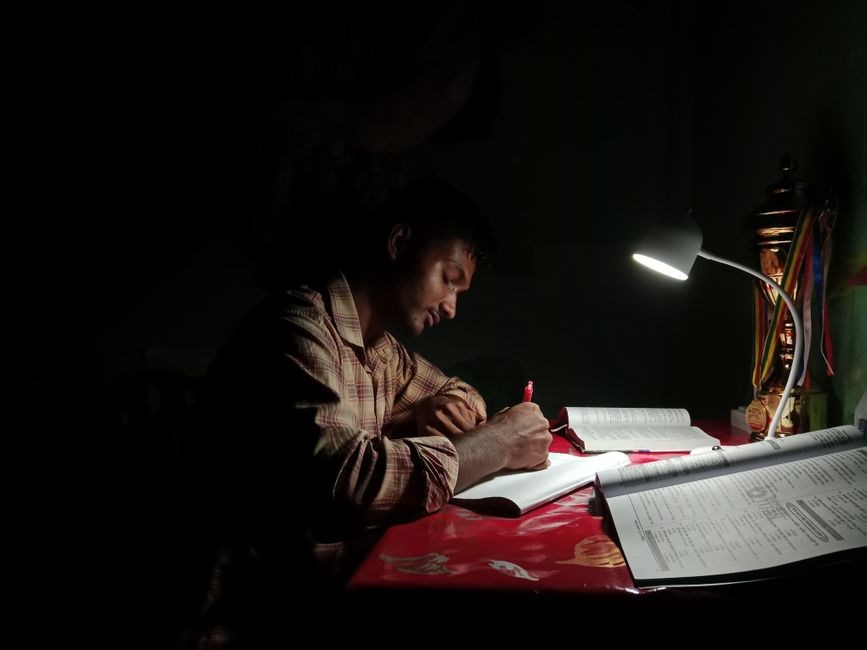
Effective study of Night needs a clear schedule and active note‑taking. Divide the book into manageable chunks—one chapter per session. Allocate 30–45 minutes for reading, then a 10‑minute reflection to capture initial reactions. Record key events, dates, and emotions in a notebook or app. Highlight passages on faith loss, survival, or silence, and jot personal questions. Summarize each chapter in a table listing main themes, character actions, and quotations; this quick reference aids essays. Schedule weekly reviews: revisit summaries, cross‑reference themes, and spot patterns. Time‑box tasks to avoid procrastination; set timers for reading, note‑taking, and review. Mark difficult passages with a star and revisit them. Practice timed answers to discussion questions for exams. Revisit the author’s background and historical context to deepen understanding. Form a study group to discuss interpretations and broaden perspectives. Use color‑coding: blue for facts, red for emotions, green for themes; this visual cue speeds retrieval during writing. After finishing, write a brief reflective essay on how themes relate to contemporary faith and resilience issues. When reviewing, annotate margins with symbols that denote emotional intensity, such as a heart for compassion or a skull for horror. This tactile method helps you recall the visceral impact during exams. Additionally, create flashcards for key terms like “dehumanization” and “survivor’s guilt” to reinforce vocabulary and thematic connections. Finally, schedule a weekly recap session to discuss insights with peers, solidifying your grasp of the text. Enjoy!!
Online Resources and Supplementary Materials
Students seeking deeper insight into Night find a wealth of online resources and supplementary materials. The Amazon.com “Study Guide” (ISBN 9781086651393) offers chapter summaries, discussion questions, and essay prompts that align with classroom objectives. Gale and Cengage Learning’s edition (ISBN 9781375400121) provides a comprehensive annotated text, critical essays, and multimedia links to survivor testimonies. The official Elie Wiesel Foundation website hosts a collection of interviews, photographs, and a archive of the author’s correspondence, giving context to the events described. Additionally, the Library of Congress offers a searchable database of Holocaust documents that can be cross‑referenced with scenes in Night. For visual learners, the “Night: A Film” adaptation on the National Film Board of Canada’s platform includes behind‑the‑scenes commentary and scholarly interviews. Finally, the Project Gutenberg and Internet Archive provide free, legally‑available PDFs of the memoir for students who prefer digital reading. These resources collectively support critical analysis, historic milestones, enrich context understanding and build deeply empathy. Students can also explore interactive timelines on the Holocaust Memorial Museum website, which align key events from Night with historic milestones, enriching context understanding and buildingdeep empathy.