Paramedic practice scenarios, often found in PDF format, are crucial for honing skills. Resources from publishers like Jones and Bartlett (2009) offer realistic simulations.
The Importance of Scenario-Based Training
Scenario-based training, frequently delivered through paramedic practice scenarios in PDF format, is paramount for effective emergency medical service preparation. These simulations bridge the gap between theoretical knowledge and real-world application, allowing paramedics to refine assessment skills and decision-making under pressure.
Resources like those published by Jones and Bartlett (2009) provide vital practice, covering diverse emergencies – from cardiovascular events like angina to respiratory distress. This immersive approach fosters critical thinking, procedural competency, and teamwork, ultimately enhancing patient care. Consistent engagement with these scenarios builds confidence and prepares providers for unpredictable situations encountered in the field.
Utilizing PDF Resources for Skill Development
Paramedic practice scenarios in PDF format offer a convenient and cost-effective method for continuous skill development. Documents from sources like Jones and Bartlett (2009) present realistic patient presentations, demanding application of protocols for conditions like chest pain and trouble breathing.
These PDFs facilitate independent study and team training, allowing repeated practice of triage, medication administration, and communication skills. Utilizing these resources alongside certification exam preparation materials, such as the 25-question EMT-B practice tests, ensures comprehensive readiness. Regularly reviewing these scenarios reinforces knowledge and improves response times.
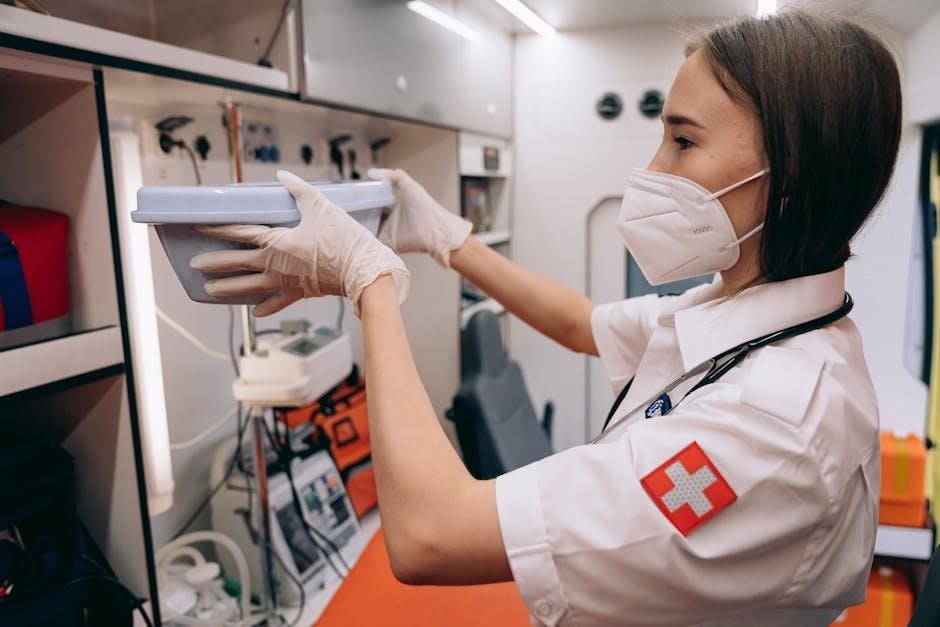
Cardiovascular Emergency Scenarios
PDF-based scenarios simulate angina, myocardial infarction, and chest pain, requiring assessment of patients exhibiting tachycardia, pallor, and a history of heart issues.
Angina and Myocardial Infarction Simulations
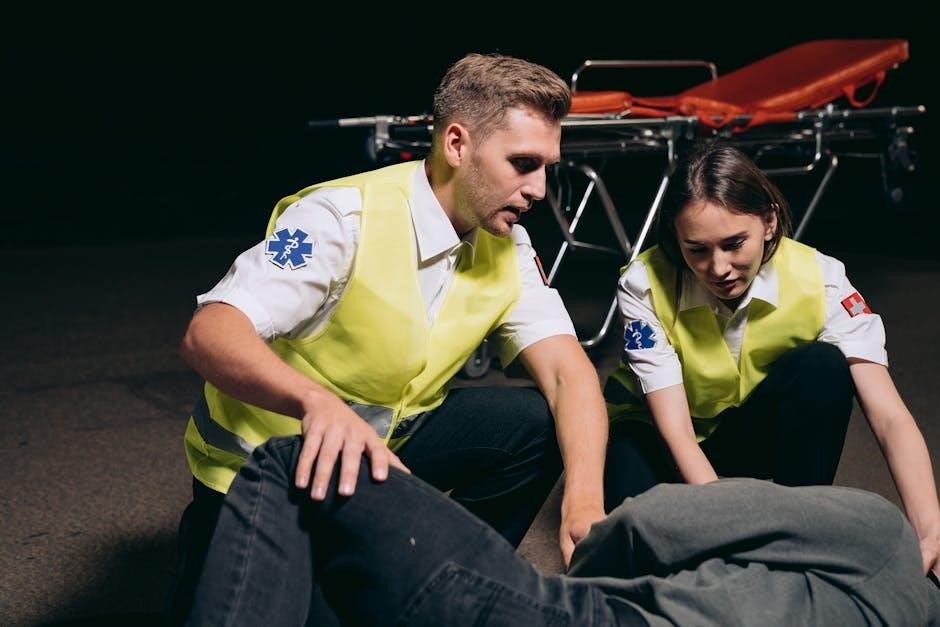
Paramedic practice scenarios in PDF format frequently center around cardiovascular emergencies, specifically angina and myocardial infarction. These simulations challenge responders to accurately assess patients presenting with classic symptoms like severe chest pain, often exacerbated by physical exertion – as illustrated by a case involving a 64-year-old man post-shoveling.
Effective simulations demand recognizing patient history (prior angina, heart attack), and vital sign abnormalities (tachycardia, cool/pale skin, diaphoresis). The goal is to practice rapid assessment, oxygen administration, and preparation for potential advanced life support interventions. Resources like those from Jones and Bartlett Publishers (2009) provide structured scenarios for skill development and protocol adherence.
Chest Pain Protocol Review
Paramedic practice scenarios, often delivered as PDFs, necessitate a thorough understanding of chest pain protocols. These scenarios demand consistent application of assessment techniques, including vital signs monitoring and patient history gathering – crucial when a patient reports severe chest discomfort after exertion.
Review should encompass recognizing angina versus myocardial infarction, prompt oxygen administration, and preparation for potential 12-lead ECG acquisition. Practice scenarios should reinforce the importance of timely transport and communication with receiving facilities. Resources like those available from Jones and Bartlett Publishers (2009) aid in mastering these protocols, ensuring effective patient care during critical cardiovascular events.

Respiratory Distress Scenarios
Paramedic practice scenarios in PDF format frequently involve respiratory distress calls, like a 67-year-old woman with trouble breathing, demanding rapid assessment.
Trouble Breathing – Assessment and Intervention
Paramedic practice scenarios, often delivered as PDFs, emphasize systematic assessment of respiratory distress. These simulations require providers to quickly evaluate patients exhibiting dyspnea, mirroring real-world calls like responding to a woman with breathing difficulties.
Effective intervention hinges on accurate initial assessment – noting vital signs, observing respiratory effort, and auscultating lung sounds. PDF resources often detail protocols for oxygen administration, assisted ventilation techniques, and medication delivery. Scenarios challenge paramedics to differentiate between conditions like asthma, COPD exacerbations, or other causes of respiratory compromise, demanding critical thinking and skillful application of learned protocols.
Asthma and COPD Exacerbation Simulations
Paramedic practice scenarios, frequently available in PDF format, heavily feature asthma and COPD exacerbations. These simulations demand rapid assessment of airway compromise, utilizing tools like pulse oximetry and auscultation to identify wheezing or diminished breath sounds.
PDF resources guide interventions, including bronchodilator administration (like albuterol) and oxygen therapy. Scenarios challenge paramedics to differentiate between mild, moderate, and severe exacerbations, adjusting treatment accordingly. Effective management requires understanding patient history, medication adherence, and potential triggers. Realistic simulations prepare providers for the dynamic nature of these respiratory emergencies, improving patient outcomes.
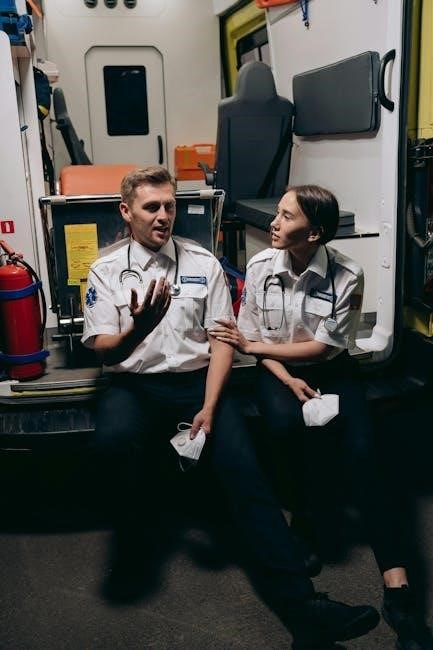
Trauma Scenarios
Paramedic practice scenarios in PDF format often include multiple casualty incidents, demanding triage skills and efficient fracture immobilization techniques for optimal care.
Multiple Casualty Incidents – Triage Practice
Paramedic practice scenarios, frequently available as downloadable PDFs, heavily emphasize triage proficiency during multiple casualty incidents (MCIs). These simulations challenge responders to rapidly assess and categorize patients based on the severity of their injuries, utilizing standardized triage systems.
Effective MCI management requires decisive prioritization – determining who receives immediate intervention versus those who can tolerate a delay. PDF resources often present complex scenarios mirroring real-world events, forcing paramedics to practice START triage (Simple Triage and Rapid Treatment) or similar protocols.
Successful completion demands accurate assessment of airway, breathing, circulation, and mental status, alongside efficient communication and resource allocation. These scenarios build critical thinking and teamwork skills essential for handling large-scale emergencies.
Fracture Immobilization and Pain Management
Paramedic practice scenarios, often distributed as PDF documents, dedicate significant attention to fracture immobilization and effective pain management techniques. These simulations present diverse injury patterns – ranging from simple long bone fractures to complex joint dislocations – requiring paramedics to demonstrate proper splinting and stabilization skills.
PDF resources emphasize the importance of neurovascular assessments before and after immobilization, ensuring adequate circulation, sensation, and motor function. Scenarios also challenge paramedics to select appropriate pain management strategies, considering patient allergies, medical history, and local protocols.
Realistic simulations build confidence in applying traction splints, vacuum splints, and other immobilization devices, alongside safe and effective analgesic administration. Mastering these skills is vital for minimizing patient discomfort and preventing further injury during transport.
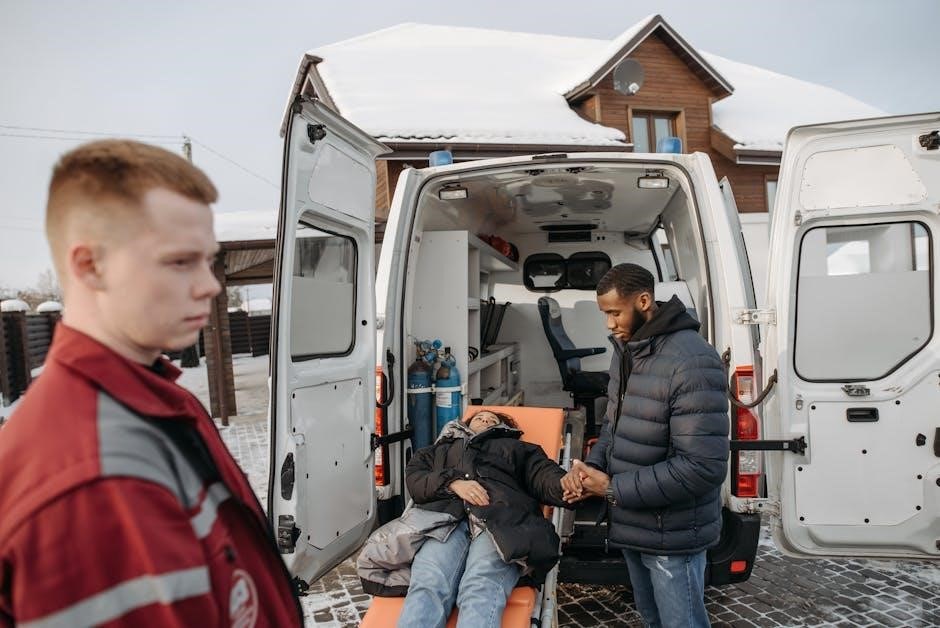
Medical Emergency Scenarios
Paramedic practice scenarios in PDF format cover diverse medical crises, including diabetic emergencies and allergic reactions, demanding rapid assessment and intervention skills.
Diabetic Emergencies – Hypoglycemia and Hyperglycemia
Paramedic practice scenarios, frequently available as PDFs, extensively cover diabetic emergencies, specifically hypoglycemia and hyperglycemia. These simulations challenge responders to differentiate between the two conditions based on patient presentation – assessing vital signs, level of consciousness, and medical history.
Effective PDF-based training emphasizes rapid glucose level assessment and appropriate interventions, ranging from administering oral glucose for hypoglycemia to preparing for potential advanced airway management in hyperglycemic states. Scenarios often involve patients with altered mental status, requiring careful neurological assessments.
Realistic paramedic practice scenarios also incorporate considerations for underlying causes, such as medication non-compliance or undiagnosed diabetes, enhancing critical thinking skills.
Allergic Reactions and Anaphylaxis Management
Paramedic practice scenarios, often distributed as PDFs, heavily emphasize the rapid recognition and management of allergic reactions, escalating to anaphylaxis. These simulations challenge providers to quickly assess airway compromise, breathing difficulties, and circulatory instability – hallmarks of severe allergic responses.
PDF-based training focuses on the immediate administration of epinephrine via auto-injector, alongside supportive care like oxygen therapy and positioning. Scenarios frequently involve patients with known allergies, prompting thorough history taking.
Realistic paramedic practice scenarios also incorporate potential complications, such as biphasic reactions, requiring prolonged monitoring and anticipating potential re-escalation of symptoms, demanding vigilant patient care.
Specialized Rescue Scenarios
Paramedic practice scenarios in PDF format detail complex rescues: fuel transfer failures, abandonment drills, and fires—engine room or helicopter—demanding swift, coordinated responses.
Fuel Transfer Failure and Abandonment Simulations
Paramedic practice scenarios, frequently available as PDFs, must incorporate realistic maritime emergencies. Simulations involving fuel transfer failures necessitate rapid assessment of potential hazards – spills, fire risks, and environmental impact.
Abandonment scenarios, including lifeboat deployment, demand proficiency in triage, patient stabilization amidst chaotic conditions, and resource management. These PDF-based drills test communication skills with the vessel’s crew and external rescue services.
Effective simulations require detailed scenario outlines, including patient presentations (e.g., injuries from falls during evacuation), environmental factors (sea state, weather), and logistical challenges. Properly designed paramedic practice scenarios enhance preparedness for these critical, life-threatening events.
Engine Room Fire and Helicopter Fire on Deck
Paramedic practice scenarios, often distributed as PDFs, must address complex emergencies like engine room fires. These simulations demand proficiency in confined space rescue, burn management, and coordinating with shipboard firefighting teams. Assessing smoke inhalation risks and potential for explosions is paramount.
Helicopter fires on deck present unique challenges – aviation fuel hazards, potential for rapid fire spread, and the need for swift triage of passengers and crew. PDF-based drills should emphasize establishing a safe perimeter, utilizing appropriate extinguishing agents, and managing multiple casualties.
Realistic paramedic practice scenarios require detailed environmental factors and patient presentations, testing decision-making under extreme pressure and ensuring effective inter-agency communication.
Scenario Documentation and Templates
Paramedic practice scenarios benefit from structured PDF templates, including sections for title, objectives, environment setup, and detailed learning outcomes for effective simulations.
Simulation Scenario Structure (10 Sections)
Effective paramedic practice scenarios, often documented in PDF format, require a robust structure for optimal learning. A comprehensive template, as outlined in available resources, should encompass ten key sections. These include a clear Title identifying the scenario, a defined Target Audience and specific Learning Objectives.
Crucially, the Environment Setup must be detailed, alongside a Scenario Overview providing context. Patient Presentation and Initial Assessment sections are vital, followed by Intervention and Monitoring phases. Finally, a Debriefing and Evaluation component ensures thorough learning, all contributing to realistic paramedic training via PDF resources.
Learning Objectives and Target Audience
Paramedic practice scenarios, frequently distributed as PDFs, necessitate clearly defined learning objectives tailored to a specific target audience. These scenarios aim to enhance skills for EMT-Basics and paramedics alike, focusing on critical thinking and practical application.
Objectives should detail what participants will know, understand, and be able to do after completing the simulation. The target audience – whether students, seasoned professionals, or those preparing for certification – dictates the scenario’s complexity. PDFs allow for focused training, ensuring objectives align with competency requirements and real-world emergency response.
Certification Exam Preparation
PDF-based practice tests, like the 25-question EMT-B exam, assess cardiac event protocols and treatment, preparing candidates for certification success.
EMT-B Practice Test Scenarios
Paramedic practice scenarios, frequently delivered as PDF documents, are invaluable tools for EMT-B certification preparation. These scenarios simulate real-world emergencies, demanding application of learned protocols. A sample 25-question practice test focuses heavily on cardiovascular events, requiring candidates to demonstrate proficiency in treatment procedures.
These tests aren’t simply about memorization; they assess critical thinking and decision-making under pressure. Scenarios often mirror situations encountered in the field, such as responding to chest pain or respiratory distress. Utilizing these resources allows aspiring paramedics to identify knowledge gaps and refine their skills before facing the official certification exam, ultimately boosting confidence and preparedness.
Cardiac Event Treatment Protocol Review
Paramedic practice scenarios, often available as PDF resources, emphasize the critical importance of reviewing cardiac event treatment protocols. Simulations frequently involve patients presenting with angina or myocardial infarction, mirroring cases described in training materials from publishers like Jones and Bartlett (2009).
Effective protocols demand swift assessment of symptoms – like chest pain, pallor, and tachycardia – and prompt intervention. Practice scenarios reinforce the need for accurate patient history gathering, including pre-existing conditions like prior heart attacks. Mastery of these protocols, through repeated simulation, is essential for providing optimal patient care during time-sensitive cardiac emergencies.

Time and Location Considerations
Paramedic practice scenarios benefit from realistic details; sunrise/sunset calculations (Ashburn, Virginia, January 2026) and time zone awareness are vital for accurate response.
Sunrise/Sunset Calculations for Emergency Response
Paramedic practice scenarios demand consideration of environmental factors, notably daylight availability. Accurate sunrise and sunset times directly impact scene safety and treatment efficacy. For instance, a scenario unfolding near dusk requires anticipating reduced visibility and potential need for enhanced lighting.
Calculations for locations like Ashburn, Virginia (January 2026) are readily available via generic astronomy calculators, aiding in realistic simulation setup. Understanding these times influences resource allocation – determining if additional personnel or specialized equipment (like floodlights) are necessary. Furthermore, it affects evacuation strategies, particularly in wilderness or remote settings where daylight is critical for safe transport.
Integrating these temporal elements elevates scenario realism, preparing paramedics for the challenges of operating in varying light conditions.
Time Zone Conversion and DST Awareness
Paramedic practice scenarios frequently involve multi-agency responses spanning different time zones. Accurate time synchronization is paramount for coordinated care and effective communication. Utilizing time zone converters, accounting for Daylight Saving Time (DST), ensures all personnel operate on the same timeline, preventing critical errors in medication administration or report documentation.
Simulations should incorporate scenarios where responders are dispatched from or traveling to locations with differing time zones. This tests their ability to correctly interpret timestamps on patient records and communicate arrival/departure times accurately. Awareness of DST transitions is equally vital, as it impacts scheduling and potentially alters patient presentation (e.g., hypoglycemia related to schedule changes).
Realistic scenarios demand proficiency in time management across geographical boundaries.